
Craft Your Competency-Based STAR Story Bank

Today we focus on building a personal STAR story bank organized by competency for interviews, turning scattered experiences into precise, memorable narratives. You will convert projects, challenges, and wins into repeatable answers aligned to what hiring teams actually measure. With clear tags, measurable impact, and practiced delivery, you will step into interviews ready to respond confidently, adapt quickly, and showcase authentic strengths without memorized scripts or generic claims.

Why Competency-Organized Stories Win Interviews

Interviewers often evaluate specific competencies—ownership, communication, problem solving, leadership, and more—rather than job titles or years of experience. Organizing stories around these skills ensures your answers feel relevant, evidence-based, and concise. Candidates who map experiences to competencies outperform those who rely on memory alone, because preparation eliminates guesswork under pressure and reveals consistent patterns of impact supporting a strong hiring decision.

Confidence Through Clarity

Clarity removes the fear of blanking out. When each story is tied to a competency and tagged with keywords, you can retrieve it instantly and answer with calm authority. Your delivery improves because you stop improvising structure and start narrating proof. Confidence grows from preparation, not bravado, and the interview room becomes a stage for authenticity rather than surprise.

Consistency Under Pressure

Stress compresses memory and leads to wandering answers. A prepared STAR bank encourages consistent pacing, measurable results, and focused reflections. Interviewers notice patterns: structured thinking, responsible risk-taking, and learning. Consistency signals reliability. Even if a curveball arrives, you can adapt a prepared narrative, swap metrics, or emphasize decisions, preserving coherence while answering the question’s true intent.

Translate Job Descriptions into Target Competencies

Job descriptions hide signal in plain sight. Beyond buzzwords, each requirement implies behaviors: stakeholder alignment, prioritization, cross-functional collaboration, or incident response. Extract these competencies and map them to your stories to close gaps. Tailoring does not mean inventing; it means selecting the most relevant examples, adjusting emphasis, and foregrounding outcomes that mirror the role’s operating environment and success metrics.

Harvest Experiences from Work, Study, and Life
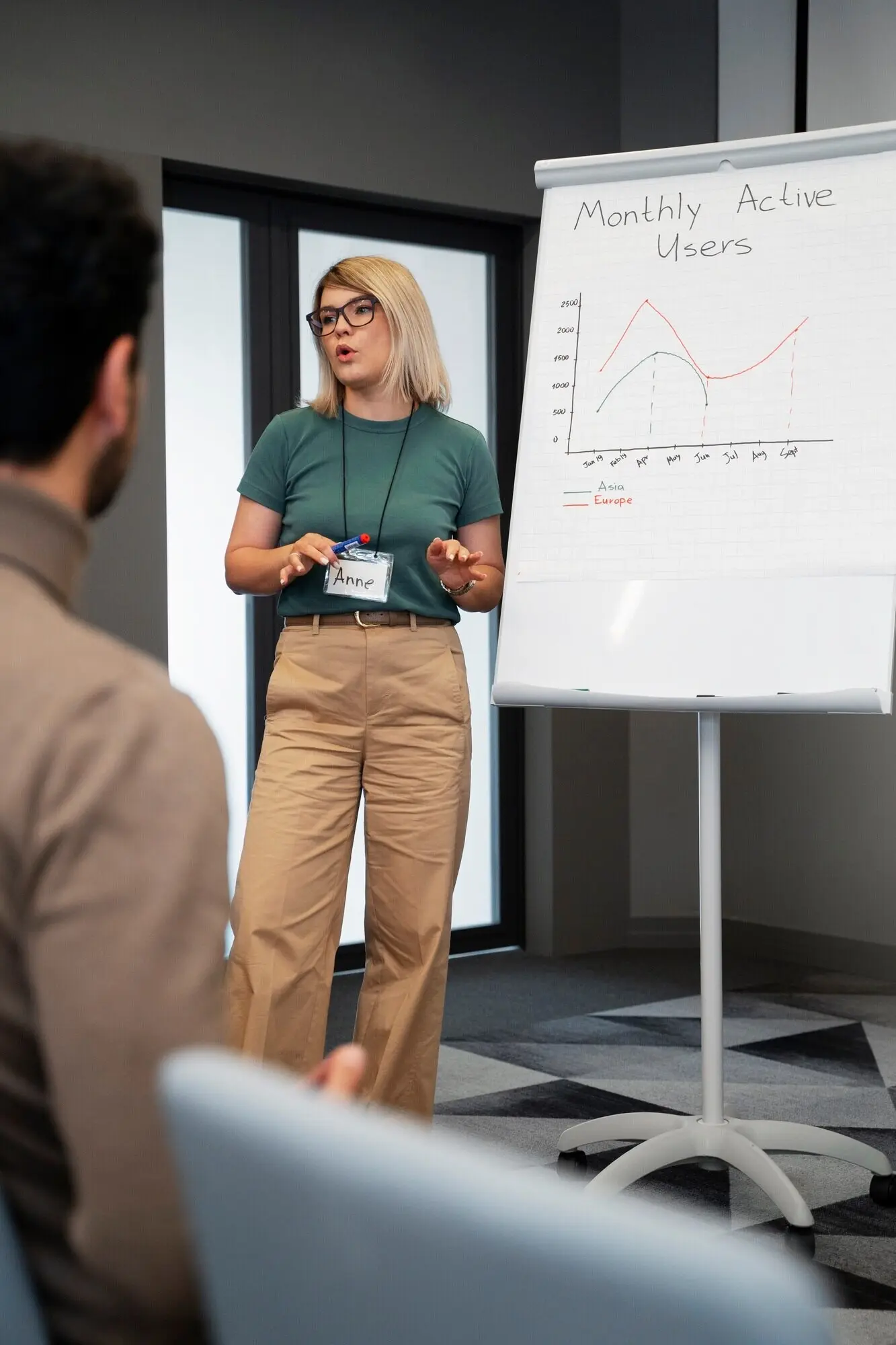
Great stories are everywhere: internships, volunteer events, open-source contributions, capstone projects, side businesses, and crisis fixes. What matters is responsibility, decision-making, and verifiable outcomes. Collect raw material early, before memories fade. Capture dates, stakeholders, constraints, and metrics. Even small wins can demonstrate grit and insight when framed clearly. Diversity of sources helps you adapt across industries and question styles.
Start with timelines, sprint reviews, and retrospective notes. Ask what changed because you were there: bottlenecks removed, quality improved, or time saved. Pull artifacts—dashboards, pull requests, proposals—and convert them into measurable results. When Priya cataloged fifteen deliverables with before-and-after numbers, she doubled her recall speed and surfaced quietly heroic work that interviewers applauded for clarity, ownership, and cross-team influence.
Leadership is not a title; it is behavior under constraints. Include times you influenced without authority, mediated conflict, or coordinated disparate stakeholders. Detail the stakes and trade-offs. Focus on how you listened, reframed, and secured alignment. These moments show maturity, empathy, and bias for action—signals hiring managers prioritize when assessing whether you can navigate real-world ambiguity and drive sustainable outcomes.
Recovery stories demonstrate resilience and learning agility. Describe a miss, the root cause, and the corrective plan you executed. Emphasize accountability, measurable improvements, and safeguards preventing recurrence. Interviewers value self-awareness and trajectory. A thoughtful recovery can outshine an easy win because it reveals how you respond when stakes are high, information is incomplete, and leadership requires humility paired with decisive follow-through.

Write STAR Narratives with Measurable Impact

STAR works because it structures thinking: Situation sets context, Task defines responsibility, Action shows agency, and Result proves value. Tight sentences create momentum; metrics anchor credibility. Add reflection to demonstrate growth. When your story reads like a crisp case study, interviewers relax, follow your logic, and picture you handling similar challenges in their environment with discipline and positive influence.

Tag, Index, and Retrieve Stories in Seconds

A searchable system transforms preparation into performance. Tag stories by competency, industry, scale, stakeholders, tools, and outcomes. Keep versions for 60-second, 90-second, and two-minute variants. Add links to artifacts and metrics. During a panel, you can pivot from execution to leadership focus by filtering tags mentally, retrieving the right angle quickly, and delivering sharp, tailored evidence without sounding rehearsed.

Mock Interviews that Simulate Stress

Simulate real pressure with timed sessions, follow-up probing, and unpredictable sequencing. Ask interviewers to interrupt, request alternatives, or challenge assumptions. Stress exposure transforms nerves into focus. Treat each session as a mini experiment: adjust openings, tighten numbers, and vary tone. Over repetitions, stories become crisp but alive, proving you can think, adapt, and communicate under genuine constraints.

Tailoring on the Fly

Learn to pivot emphasis mid-answer. If you sense the interviewer prioritizes risk management over speed, reframe actions to highlight safeguards. If they crave cross-functional depth, expand stakeholder strategy. Keep the spine of STAR, but flex details. Tailoring respects context, demonstrates empathy, and turns good stories into precisely relevant ones that feel designed for the moment rather than recycled.

Feedback Loops that Stick

Request ratings on clarity, impact, and alignment, then codify changes immediately in your bank. Replace soft language with metrics, add missing constraints, or clarify your mandate. Track before-and-after versions to see progress. Accountability keeps momentum. Invite ongoing peer swaps, share prompts, and celebrate wins to maintain energy. Improvement that is measured and socialized is improvement that endures.
Lanupapemuzotunani
Privacy Overview

This website uses cookies so that we can provide you with the best user experience possible. Cookie information is stored in your browser and performs functions such as recognising you when you return to our website and helping our team to understand which sections of the website you find most interesting and useful.